Walk right into any type of Cincinnati office on a Friday, and you'll see it in the wild: crisp logo designs sewed on polos, coats with tone-on-tone monograms, hats that lose yet still show tidy sides. Those stitches really did not take place by crash. Behind every sharp crest and readable wordmark sits a thoughtful digitizing procedure, frequently the distinction in between a garment that boosts a brand and one that looks like a giveaway nobody uses twice. For groups sourcing embroidery solutions in Cincinnati, obtaining the digitizing right is where the return on investment begins.
What digitizing actually is, and why it matters
Embroidery digitizing translates artwork into a set of stitch directions a device can understand. That appears uncomplicated, yet the genuine job depends on judgment. A well-trained digitizer picks stitch types, thickness, underlay frameworks, instructions, and thread sequences based upon textile behavior, hooping tension, thread weight, and the range of the logo. The goal isn't simply to recreate the picture, it's to make a stitch file that sews efficiently, looks clean, and endures repeated washing.
We see this play out daily in a Cincinnati needlework store that deals with every little thing from Little League caps to enterprise-scale uniform programs. A level PNG with fragile gradients and hairline serifs won't sew as-is. On a foam trucker hat, thick fill can develop ridges, while on a performance polo, heavy satin boundaries might create tunneling. Great digitizing expects this and integrates in structure that accounts for real-world conditions: textile stretch, maker calibration, and string pull. That's exactly how you prevent puckering, string breaks, and twisted letters.
How local context shapes much better outcomes
Cincinnati's clothing mix leans greatly on corporate uniforming, trades, logistics, schools, and follower equipment. That indicates a great deal of workwear twill, cotton blend tees, moisture-wicking efficiency polos, fleece, and organized hats. Each material acts differently under the needle, and the digitizing need to value those restrictions. A logo design that sews wonderfully on a cotton polo could break down on a slick polyester quarter-zip without various padding and lighter density.
When customers request logo needlework in Cincinnati, the most regular wins originate from very early collaboration. If your brand name group provides vector artwork and clear usage situations, the digitizer can prepare for the actual garments: stitched polos for field personnel, stitched hats for events, custom-made stitched jackets for leadership gifts. The more specific the quick, the far better the file.
Anatomy of a high-performing stitch file
There is no universal recipe, however several elements often tend to divide an average documents from a trustworthy one. Underlay develops a structure that stabilizes fabric, particularly critical for performance knits usual in corporate needlework in Cincinnati. For lightweight polos, a combination of edge-walk underlay underneath satin boundaries and a zigzag rug under fills typically provides crisp sides without excess density. On twill hats, a solitary zigzag underlay can suffice if hooping is tight and foam isn't involved.
Stitch instructions manages shine and lessens directional pull. Satin stitches reflect light highly, so rotating stitch angles can aesthetically clean a mark and stay clear of a "raked" look. On big fill areas, opposing angles maintain the textile well balanced. Density ought to be tuned to string weight and garment. If you regularly clean polo attires weekly, the file must account for reduce and put on by setting densities that hold detail while withstanding friction.
Small kind continues to be a base test. For legibility under 0.25 inches in height, simplify letterforms and open counters. Lots of Cincinnati needlework stores trainer clients to enlarge strokes and stay clear of thin serifs. If your brand mandates a fragile font, be ready to scale up or enable an embroidered variation of the wordmark enhanced for stitches. That adjustment alone can turn a sloppy blob right into legible text.
The right choices for usual Cincinnati projects
Consider a local HVAC business ordering stitched polos for field techs. They pick a moisture-wicking polyester for comfort in summertime. The digitizer must lighten fill densities to minimize heat-bonded puckering, add a secure underlay, and stagger stitch directions. For the very same logo on cotton blend tees, a higher density may be fine, yet underlay choice still matters to prevent stretching along the seams.
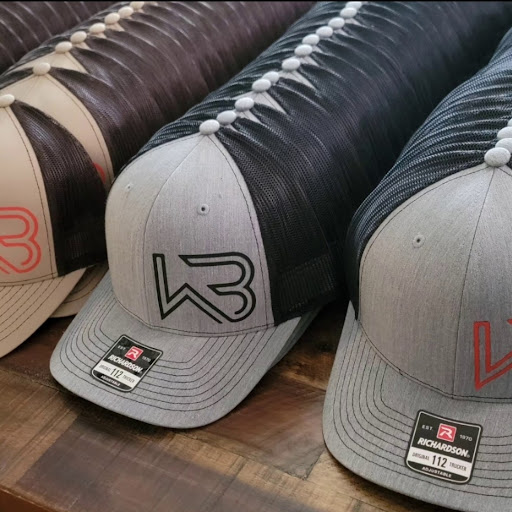
Now take embroidered hats for a senior high school booster club. Structured caps and foam truckers request for various approaches. Foam broadens under pressure, so aggressive satin densities develop ridges. A lighter density with mindful padding and longer satins that ride the foam will certainly look smoother. For structured caps without foam, a somewhat heavier edge-walk padding sustains crisp verge on rounded surfaces, with series that prevent huge traveling leaps that might trigger enrollment shifts.
Custom embroidered jackets have a tendency to involve softshells, microfleece, or quilted coverings. Microfleece eats string visually and hides information, so simpler art and much heavier satin columns commonly outperform loads. Softshells stretch and rebound, so underlay and hooping strategy matter to stand up to distortion. A store that specializes in embroidery digitizing in Cincinnati will maintain accounts for typical jacket textiles and reference them when planning your file.
Where digitizing expense gains its keep
A brand supervisor may stop at a digitizing cost on a tiny order. But that fee, topped multiple reorders and differed garments, repays rapidly. One neighborhood not-for-profit had a 12-stitch-break calamity during a rush run since the original documents utilized extreme thickness on performance tees. The shop re-digitized with lighter fills and a new padding method, then ran the remainder of the order with nearly no breaks. The moment reduced the makers exceeded the expense of a brand-new file.
Production time affects pricing and due dates. A tidy data runs faster and requires less trims and color adjustments. If you're coordinating company needlework in Cincinnati at scale, the difference in between a 12-minute sew-out and a 9-minute sew-out throughout 500 garments is big. That's the type of margin that permits a shop to hit launch days or suit final size changes without overtime.
What your store requires from you
Provide vector artwork. EPS, AI, or PDF with outlined font styles keeps edges sharp and streamlines stitch planning. Consist of Pantone referrals if string matching issues. Share the exact garments, not just groups. There's a world of distinction in between a light-weight performance polo and a heavyweight pique. Tell the shop just how the piece will certainly be used and cleaned. A profession team jacket that brushes against concrete demands a different approach than a display room cardigan.
Ask your Cincinnati needlework shop to check stitch. A 3 to 4 inch test on the real material flags issues prior to a complete run. This extra action is specifically useful for little caps, complicated slopes converted to thread, and multi-layer symbols. If your timeline is limited, request images or a quick in-person evaluation. Capturing a thin line or too-small kind very early conserves everyone headache.
A better look at small-scale details
Most logos aren't large center-chest emblems. They're left-chest marks with a mix of symbol and text. The left-chest area magnifies small type challenges. When you're at 2.5 to 3 inches large, traditional sans-serifs with sub-0.03 inch strokes can disappear. Broaden strokes, open counters, and avoid stacked duplicate with tight leading. If the mark consists of a fine summary around letters, take into consideration removing the outline for needlework. That single adjustment minimizes stitch count and enhances readability.
Gradients call for translation to string. Digitizers use blends of fill instructions, step fills, or stippling to suggest transitions. On hats, heavy transitions can create cumbersome crowns, so restriction gradient complexity or pick tonal string changes rather than dense fills. If brand guidelines need the gradient, see if a grayscale or single-color adjustment exists for embroidery.
Managing multi-location branding
It's usual to combine stitched polos for the office, embroidered hats for outside occasions, and custom stitched coats for leadership. Withstand need to utilize one digitized apply for whatever. Rather, request for size-specific and fabric-specific variations. A cap documents usually will not rest right on a polo, and a jacket back submit reduced to a sleeve patch dangers proportion distortion and thickness misfires. Good shops file-name these variations clearly and record the intended garment and hoop size.
If you're sourcing corporate needlework in Cincinnati for numerous divisions, take into consideration standardizing sizes. A left-chest at 2.75 inches broad and a cap front at 2.25 inches wide cover most utilize cases. Settling on those measurements early enables the store to build data that range predictably within safe varieties, saving redesigns each time a new thing goes into the catalog.
Thread, needles, and stabilizers, in practice
Embroidery doesn't reside in a vacuum of software application. The best digitizers assume like device operators. Polyester string controls company job as a result of wash resistance and colorfastness. Rayon has a softer sheen, excellent for fashion or detailed monograms, yet it can battle royal with extreme laundering. For high-contrast logo designs, brilliant whites and saturated primaries normally hold well on navy or black garments, a common Cincinnati combination for regional teams and companies.
Needle choice depends on material and information. Ballpoint needles for weaved polos avoid grabs, while sharp points on twill hats cut tidy holes. If you're seeing occasional grabs or birds' nests, the data may not be the issue, yet needle wear Cincinnati embroidery shop or incorrect kind. Stabilizers add framework. Cutaway stabilizers sustain knits best, while tearaways work with secure wovens. For lightweight performance materials, a no-show mesh coupled with a light tearaway maintains mass down while keeping shape.
Timelines, authorizations, and practical expectations
A common timeline for a brand-new needlework order resembles this: artwork handoff, digitizing within one to 3 company days, sew-out example, client approval, manufacturing. Thrill orders compress these actions, yet something must provide. If you desire the same-day turn-around, be ready to accept a picture sample as opposed to an in-person evaluation, and approve small dangers. When the stakes are high, build in time for physical samples.
Many Cincinnati clients plan uniform refreshes around seasonal changes. Spring brings polos and performance tees. Fall brings fleece and coats. Surprise your orders to avoid peak crisis, especially in the weeks resulting in back-to-school and year-end gifting. A shop's calendar fills up promptly, and digitizing lines up do the same. If you hold approvals also long, your port may move.
When to change a file
Digitizing is not a one-and-done artifact. If you change garments or observe modifications in production end results, ask your store to revisit the file. A logo that stitched flawlessly on cotton pique might require an updated rug when you alter to a slick polyester blend. If letters begin to close after duplicated washes, lighten thickness or open counters. Tracking these tweaks develops a smarter library for your brand.
If your brand name evolves with a brand-new font or spacing, upgrade the stitch data as opposed to operating it at the machine. Operators can compensate just a lot with stress and support. Structural edits inside the data yield cleaner outcomes and fewer string breaks. The incremental cost to re-digitize pays for itself on the extremely following run.
Choosing a Cincinnati partner
Not all embroidery solutions in Cincinnati run the same way. Some excel at volume fundamentals, others at comprehensive, small-run branding. Ask for instances of cap fronts, little text under 0.25 inches, and performance fabric sew-outs. Evaluation the reverse side of example pieces. You're trying to find tidy supports, consistent stress, and very little bird nests. Ask about their method to embroidery digitizing Cincinnati tasks especially, including whether they keep textile profiles and examination sew on your real garments.
If you look for custom embroidery near me, you'll discover a range of options, from store workshops to manufacturing flooring giants. Assess action time, clearness of communication, and just how they talk about trade-offs. A great store will certainly inform you when your mark needs simplification or when a different garment is a far better canvas. They'll show you side-by-side images of various densities and explain why the hat documents should not operate on a microfleece jacket without changes.
Budgeting without surprises
Embroidery pricing commonly consists of a per-piece stitch charge and an one-time digitizing charge. Stitch count determines time on the device, so big fill areas cost much more. If you're preparing well-known garments for a large team, take into consideration just how mild style modifications can draw expenses down. Getting rid of a history fill behind a little icon could cut thousands of stitches, shaving minutes off each item across a huge order. Over 300 polos, that's real money.
For embroidered hats in Cincinnati, organized caps frequently run effectively with self-displined stitch sequencing. But foam caps can become time sinks if the data fights the material. Share material-specific files, and don't be shocked if prices vary by design. Jackets tend to set you back even more as a result of hooping obstacles and seam navigating. Custom-made embroidered jackets Cincinnati clients order for vacation presents, specifically on softshells, frequently need added setup time. Develop that into your spending plan and schedule.
A few sensible make-or-break points
- Keep left-chest logos in between 2.5 and 3 inches vast unless the design genuinely needs more room. This dimension variety equilibriums readability with convenience throughout sizes XS to 3XL. Avoid details around little type. If brand requirements call for describes in print, develop an embroidery variation that omits them and moderately increases letter weight. Provide at least two thread colorways for contrasting backgrounds. A light version for dark garments and a dark version for lights stops final compromises. For hats, accept a cap-specific sew-out. A flat-sew example on twill won't inform you just how the layout rests over a seam or bent crown. Lock in a clean test. One cycle can disclose where density or underlay requires modification, especially for attires cleaned frequently.
Real outcomes from cautious planning
A Cincinnati logistics strong required 800 stitched polos for a two-week rollout. The initial art had thin negative area within the symbol. The digitizer thickened strokes by 15 percent, got rid of a hairline rundown, and rotated stitch directions in the fill. The example ran 5 percent quicker than the control data with cleaner sides after a laundry. Over 800 items, the cumulative time conserved was roughly 60 machine-hours. Manufacturing completed two days early, and the customer re-ordered within the quarter.
A neighborhood brewery desired stitched hats that could survive outdoor celebrations and back-of-house job. The very first example used hefty density on the cap front, generating a ridged surface area on foam truckers. The changed data decreased density by about 10 percent and reshaped satin columns to ride the foam rather than compressing it. The last hats looked smoother, revealed fewer thread breaks, and aged better after sunlight direct exposure and sweat.
When embroidery isn't the appropriate move
A truthful Cincinnati needlework shop will not attempt to stitch every little thing. If your design relies on photo gradients or has ultra-fine information smaller than a needle can track, consider a woven patch, a printed patch with satin edge, or a heat-transfer for tees. For big back hits with complex shading, applique or tackle twill can combine aesthetic influence with convenient stitch counts. Usage needlework where it beams: vibrant marks, crisp text over minimal sizes, and structures that take advantage of string's dimensionality.
Keeping brand uniformity across items
Consistency is a function of documents, materials, and procedure. Document the authorized sizes for left chest, cap front, sleeve spot, and jacket back. Conserve string codes for your home palette. When you alter distributors or garments, run a fast verification sew-out instead of relying on a previous configuration. For multi-location business around Cincinnati, share this documentation throughout branches to keep branding aligned.
If your brand shade is uncommonly details, order physical thread cards with actual skeins rather than relying upon monitor sneak peeks. Pantone-to-thread conversions differ by brand name, and what looks correct in daytime may drift under office fluorescents. Many needlework services in Cincinnati supply multiple thread lines and can show you alternatives under real lighting.
The quiet craft of excellent embroidery
Good digitizing really feels undetectable. The logo reads at a glimpse. Stitches sit level and durable on the garment. The cap crown doesn't pucker. The jacket sleeve bends without distortion. Achieving that appearance needs a person who recognizes both software program and material, that can check out a design and ask the best production questions, and who constructs files that respect the material reality of thread and tension.
Cincinnati has a solid ecological community of stores that live this craft. Whether you're collaborating attires for a downtown office, equipping a young people group, or constructing a retail line, begin your job by treating digitizing as a design discipline, not a check box. Lean on your Cincinnati needlework purchase assistance, share your restrictions early, and give the process a clean path. That's how stitched polos come to be group staples, stitched hats become merch that individuals actually buy, and customized stitched jackets become sustaining presents rather than one-season novelties.
With the appropriate partner and a clear short, your brand name's following run will certainly stitch clean, use hard, and look consistent from the initial order with the fifth reorder. And when somebody praises the intensity of your logo design in the lift or at the ball park, you'll know the quiet accuracy of embroidery digitizing made it possible.